ACURA 77519PXGQ Oxygen Sensor Downstream
fits model: Rl. make: Acura. year: 1996–2004.
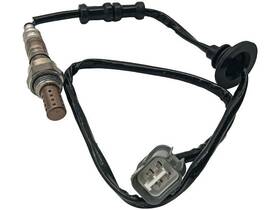
( Manufacturer Part Number: 77519PXGQ ), ( Part Type: Sensor ), ( Placement On Vehicle: Downstream ), ( Manufacturer Warranty: 12 Month Warranty ), ( Notes: Oxygen Sensor Oxygen Sensor Downstream ), ( Years: 1996 1997 1998 1999 2000 2001 2002 2003 2004 ), ( Application: Acura Rl Oxygen Sensor ), ( Cs-sku: 400 )
Review ACURA Replacement Oxygen Sensor Downstream fits RL 1996–2004
The 77519pxgq oxygen sensor is a crucial component of the emissions system in certain Acura RL models manufactured between 1996 and 2004, specifically for the years 1997, 1998, 1999, and 2000. This sensor plays a significant role in maintaining the optimal fuel-air mixture within the engine, which is essential for both efficient combustion and reducing harmful emissions.
This oxygen sensor, produced by an OEM (Original Equipment Manufacturer), is a heated zirconia sensor. Zirconia material is favored for its ability to detect oxygen levels accurately and consistently, even at high temperatures. The sensor's heating element ensures that it remains at an ideal operating temperature, enabling it to provide precise readings to the engine control module (ECM) for adjusting the fuel injection and ignition timing.
The 77519pxgq oxygen sensor has a thread size of NGK BSC 54-2 and is designed to be a direct replacement for the original part, ensuring a perfect fit. Its robust construction guarantees durability and reliability, even under the demanding conditions of regular use.
Installing this oxygen sensor is a straightforward process, taking approximately 1 hour for a DIY enthusiast. However, if you're not comfortable working on your vehicle, it's recommended to consult a professional mechanic to prevent any potential damage.
When replacing the sensor, it's essential to observe proper safety procedures, such as wearing gloves and goggles, and ensuring the engine is cool before working on it. Use a new gasket and be sure to tighten the sensor to the specified torque to ensure a secure and leak-free connection.
The 77519pxgq oxygen sensor is an essential investment for maintaining the optimal performance and longevity of your Acura RL. By ensuring that your engine's fuel-air mixture remains within the ideal range, you can improve both fuel efficiency and reduce exhaust emissions, enhancing your driving experience while protecting the environment.
Pros and Cons of Replacing a Downstream Oxygen Sensor (77519-pxg-q) for 1996-2004 Acura RL
1. Pros of Replacing the Downstream Oxygen Sensor (77519-pxg-q):a. Improved Fuel Efficiency: A faulty oxygen sensor can cause the engine to run less efficiently, leading to poor fuel economy. Replacing the sensor can help restore the engine's optimal fuel efficiency.
b. Better Engine Performance: A malfunctioning downstream oxygen sensor can lead to a decrease in engine performance. Replacing it can help improve throttle response and power delivery.
c. Reduced Emissions: A faulty oxygen sensor can cause the car to emit higher levels of pollutants than normal. Replacing it can help reduce your vehicle's carbon footprint.
d. Preventing Check Engine Light: A faulty oxygen sensor is one of the most common causes of the check engine light. Replacing the sensor can prevent the light from coming on and save you from unnecessary trips to the mechanic.
e. Cost-Effective: Replacing the oxygen sensor is a relatively inexpensive repair compared to other major engine repairs.
2. Cons of Replacing the Downstream Oxygen Sensor (77519-pxg-q):a. Cost: While the cost of the sensor itself is relatively low, the labor costs for replacing it can add up.
b. Time-Consuming: Replacing the oxygen sensor can be a time-consuming process, especially if you're doing it yourself.
c. Potential for Error: There is a risk of damaging other components during the replacement process, which could lead to additional repair costs.
d. Environmental Impact: The manufacturing and disposal of the oxygen sensor contribute to the environmental impact.
Conclusion:The decision to replace the downstream oxygen sensor (77519-pxg-q) in your 1996-2004 Acura RL depends on various factors, such as the current condition of the sensor, the presence of the check engine light, and your personal priorities. The pros of replacing the sensor include improved fuel efficiency, better engine performance, reduced emissions, preventing the check engine light, and cost-effectiveness. The cons include the cost, time-consuming nature of the replacement, potential for error, and environmental impact. Ultimately, if your vehicle is experiencing symptoms related to a faulty oxygen sensor, such as poor fuel economy, decreased engine performance, or the check engine light, it may be worth the investment to replace the sensor to prevent further damage and potential costlier repairs down the line.
Details:
Parts Geek - For 1996 - 2004 Acura RL Oxygen Sensor Downstream 77519PXGQ 1997 1998 1999 2000: Review Fitment Notes to Ensure Proper Fit Position: condition: New Brand: Replacement Notes: 12 Month Warranty Vehicle: Engine: RL3.5L V6 C35A1 FI Naturally Aspirated Front.
part #: 77519pxgq prices
- $46.99-$58.12
specifications acrasensor:
- for models: Rl
- for makes: Acura
- for years: 1996-2004
- mpn: 77519pxgq
- part type: Sensor
- placement on vehicle: Downstream
- manufacturer warranty: 12 Month Warranty
- notes: Oxygen Sensor Oxygen Sensor Downstream
- years: 1996 1997 1998 1999 2000 2001 2002 2003 2004
- application: Acura Rl Oxygen Sensor
- cs-sku: 400
general acrasensor:
- Car Truck Parts Accessories > Air Fuel Delivery > Air Intake Fuel Sensors
- condition: New
offer acrasensor:
- options: Ship-to-home
- quantity: 1
- availability: In Stock
- sold: 0
- started: February 18, 2025
payments acrasensor:
- other
- wallet: Paypal
- credit card: Mastercard
seller acrasensor:
- rating: 94.2%
- # reviews: 283786
- city: Tolleson, Arizona
shipping acrasensor:
- type: Fixed
- service: FedEx Ground or FedEx Home Delivery
- transit: 3-9 Days
- class: Standard
- cost: $0.00
- carrier: FedEx
returns acrasensor:
- policy: Returns Accepted
- time: 14 Days
- paid by: Buyer
Acura 77519PXGQ Is Similar To:
- 003102875zeg Cciyu For Acura Tsx Front Knock Sensor Direct Replacement (13.8% similar) 12 months manufacturers warranty for defective items excluding damaged and or misused after receipt. The images shown are not actual item and for your reference only...(May 10th, 2019)
- 003102879zeg Cciyu Piece Front Premium Knock Detonation Sensor Fits Acura Rl (24.2% similar) The images shown are not actual item and for your reference only. Accessories come with a 3-MONTH warranty. 12 months manufacturers warranty for defective items excluding damaged and or misused after receipt...(May 10th, 2019)
- 003102884zeg Cciyu Front Knock Detonation Sensor Assembly Fits Acura Csx Honda (29.9% similar) Accessories come with a 3-MONTH warranty. 12 months manufacturers warranty for defective items excluding damaged and or misused after receipt. The images shown are not actual item and for your reference only...(May 10th, 2019)
- 003102888zeg Cciyu Front Performance Knock Detonation Sensor Fits Acura Rsx (25.6% similar) Fast shipping:all our packages use USPS first class package service accessories come with a 3-MONTH warranty...(May 10th, 2019)
- 065500-2820 Denso Acura Integra Oem Secondary Oxygen Sensor Ratio (33.8% similar) Get business information that counts. Shipping carrier domestic USPS first-class...(April 17th, 2018)
- 065500-8220 0655008220 Acura 1991-1995 Legend O2 Oxygen (23.6% similar) This is an original part oem, not aftermarket. For sale is: acura legend o2 oxygen sensor part number, fits: 1991 all trims engines 1992 1993 1994 1995 this in good working condition. Please review all the pictures and read carefully. May be a little dusty from storage use and have few ...(February 24th, 2017)
- 079800-5410-079800-5410-0798005410 Denso Acura Rsx Wire Plug Connector Sensor Vacuum Actuator Harness (29.5% similar) You are looking at one good used wire plug connector harness end clip off the valve sensor, as shown in photos. MRW488 stock MW559 Hollander it is pulled out ready to ship. It is out of a 2002 acura Rx base 2 door hatchback with. Thanks good luck. Exterior color code was: NH-623 NH-623M interior ...(May 15th, 2018)
- 37830rnaa01 Acura Honda 08-2014 Map Sensor Free Kwik Ship Apps (31.8% similar) Part 37830RNAA01. Please for costs to other areas. Acura Honda ' map sensor in excellent condition...(February 27th, 2016)
- 0i58308746vt1mu Kwiksen For Acura Csx Air Fuel Ratio Oxygen Sensor (37.4% similar) Brand new air fuel ratio sensor direct plug-in replacement wire: 4 length : 330MM 13 inch warranty: one year unlimited miles. Package includes: 2PC x air fuel ratio oxygen sensor upstream downstream must know before buying: the following information is for instructional and guidance reference only...(March 14th, 2018)
- 10343zr136rp8h9i Kwiksen For 2007-2009 Acura (27.1% similar) 6 inch warranty: one year unlimited miles. 5l upstream engine: J35A7 2009 Honda odyssey V6-3. Fits vehicle: acura DX V6-3. 5l upstream rear Honda odyssey V6-3. 7l upstream 2007 Honda odyssey V6-3. For acura DX V6-3. If check engine light is on or an obit trouble fault code occurs after ...(August 18th, 2017)
- 1102888won Wonderfulparts Front Complete Knock Sensor Assembly Fits Acura Rsx (28.9% similar) Q: when will the item be shipped out...(June 19th, 2019)