CLASSIC-AUTOPARTS CL12937TS657 Upstream Oxygen Sensor Zdx O2
fits model: Rdx, Tlx, Odyssey, Pilot. make: Acura, Honda. year: 2009–2015.
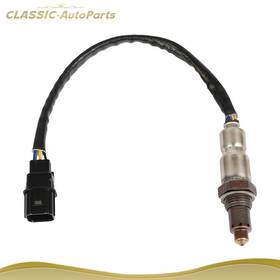
( Brand: Classic-autoparts ), ( Manufacturer Part Number: CL12937TS657 ), ( Part Type: Sensor ), ( Manufacturer Warranty: 1 Year ), ( Length: 320mm ), ( Model 2: For Accord Crosstour, Crosstour, Odyssey, Pilot, Ridgeline ), ( Features: Direct Fit, Easy Installation )
Review CLASSIC AUTOPARTS Upstream Oxygen O2 02 Sensor Acura Zdx Honda 2008 fits ODYSSEY PILOT RDX TLX 2009–2015
Introducing the CL12937TS657 Upstream Oxygen Sensor from Classic Autoparts, a vital component for maintaining optimal engine performance in select Acura, Honda, and RDX models from the years 2008 to 2015. This sensor is designed for use in the upstream position of the exhaust system, monitoring the amount of unburnt oxygen present in the exhaust gases before they enter the catalytic converter.
The CL12937TS657 Oxygen Sensor is equipped with a high-temperature ceramic sensor element that can withstand the extreme temperatures encountered in the exhaust system. This sensor element converts the percentage of oxygen in the exhaust gases into an electrical signal, which is then sent to the engine control module to adjust the fuel-air mixture for efficient combustion.
The sensor housing is made of durable, corrosion-resistant materials to ensure a long service life, even in harsh driving conditions. The sensor features a built-in heating element to bring the sensor up to temperature quickly after a cold start, allowing for accurate readings from the beginning of the driving experience.
The CL12937TS657 Upstream Oxygen Sensor from Classic Autoparts is an essential replacement for vehicles that exhibit symptoms such as poor fuel economy, increased emissions, or a check engine light related to oxygen sensor failure. By maintaining the correct air-fuel mixture, this sensor ensures that your vehicle runs at its best, providing a smoother, more efficient driving experience.
In conclusion, the CL12937TS657 Upstream Oxygen Sensor from Classic Autoparts is a high-quality, reliable replacement for the oxygen sensor in your Acura, Honda, or RDX from the years 2008 to 2015. With its durable housing, high-temperature ceramic sensor element, and built-in heating element, this sensor ensures accurate readings, efficient combustion, and improved fuel economy. Trust Classic Autoparts for your automotive needs, and enjoy the peace of mind that comes with knowing your vehicle is running at its best.
Upgrading or replacing the upstream oxygen sensor (O2S) in your vehicle, such as the CL12937TS657 model for Acura ZDX, RDX, Tlx, Honda Odyssey, and Pilot (2008-2015), can offer several benefits and potential drawbacks. Here's a detailed analysis of both:
Benefits of upgrading or replacing the upstream oxygen sensor:1. Improved engine performance: A faulty or failing O2S can result in poor engine performance, such as reduced fuel efficiency, increased emissions, and a rough running engine. A new sensor can help restore optimal engine performance.
2. Enhanced fuel efficiency: A malfunctioning O2S can cause your vehicle to burn more fuel than necessary, leading to increased fuel costs. A new sensor can help ensure your engine runs efficiently and consumes fuel optimally.
3. Longer engine life: A faulty O2S can cause your engine to work harder than necessary, which can put additional stress on the engine and potentially shorten its lifespan. A new sensor can help reduce this stress and extend the life of your engine.
4. Better emissions: A faulty O2S can cause your vehicle to emit higher-than-normal levels of pollutants, which can be harmful to the environment and potentially result in costly fines or repairs. A new sensor can help ensure your vehicle meets emissions standards and operates efficiently.
Drawbacks of upgrading or replacing the upstream oxygen sensor:1. Cost: Replacing an oxygen sensor can be an expensive repair, with labor and parts costs varying depending on the make, model, and location of the repair. The CL12937TS657 O2S, for instance, may cost anywhere from $100 to $300 or more, depending on the factors mentioned above.
2. Time: Replacing an oxygen sensor can be a time-consuming process, especially if you're doing it yourself. It may require removing various components of the engine and exhaust system to access the sensor, which can add to the overall time and effort required.
Ending Conclusion:Upgrading or replacing the upstream oxygen sensor in your vehicle, such as the CL12937TS657 model for Acura ZDX, RDX, Tlx, Honda Odyssey, and Pilot (2008-2015), can offer several benefits, including improved engine performance, enhanced fuel efficiency, longer engine life, and better emissions. However, it also comes with some drawbacks, such as the cost and time required for the repair. Ultimately, if you're experiencing symptoms of a faulty O2S, such as poor engine performance or increased emissions, it may be worth the investment to replace the sensor to ensure the long-term health and efficiency of your vehicle. If you're unsure about the condition of your O2S or have any questions about the repair process, it's always a good idea to consult a certified mechanic for professional advice.
Details:
Such vehicles should have a sticker under the hood or on drivers door jamb that identify them. The downstream oxygen sensor is located directly after the catalytic converter. Fast and Free. OE: 250-25059.
Before install,make sure installation location surface cleaning. This measures the level of pollutants coming directly from engine. Range of Year. Service Interval Advice.
Type of Oxygen Sensor. Upstream Oxygen O2 02 Sensor For Acura ZDX RDX TLX Honda Odyssey Pilot 2008 -2015, OE. The data from this sensor is compared to that of the upstream. The images shown are not the actual item and for your reference only.
Fixed through the clamp,if wiring harness is longer than original. Unheated 1 or 2 Wires. 1976 to Early-1990's. The upstream oxygen sensor is located before the catalytic converter.
If the data between two sensors becomes more similar, vehicles computer may trigger a catalyst inefficiency check engine code, which turns on Check Engine light. It also senses any raw, sunburned fuel coming from the combustion chambers. This sensor measures the pollutants making it through converter and out of tailpipe.
specifications acrasensor:
- for models: Rdx, Tlx, Odyssey, Pilot
- for makes: Acura, Honda
- for years: 2009-2015
- brand: Classic-autoparts
- mpn: Cl12937ts657
- part type: Sensor
- manufacturer warranty: 1 Year
- length: 320mm
- model 2: For Accord Crosstour, Crosstour, Odyssey, Pilot, Ridgeline
- features: Direct Fit, Easy Installation
offer acrasensor:
- started: April 1, 2025
- quantity: 5
- availability: In Stock
- sold: 0
- options: Ship-to-home
- best offers: True
returns acrasensor:
- policy: Returns Accepted
- paid by: Seller
- time: 30 Days
seller acrasensor:
- rating: 98.5%
- city: Ontario, California
- # reviews: 2919
general acrasensor:
- condition: New
- Car Truck Parts Accessories > Air Fuel Delivery > Air Intake Fuel Sensors
payments acrasensor:
- wallet: Google-pay
- credit card: Visa
- other
shipping acrasensor:
- transit: 3-8 Days
- cost: $0.00
- type: Fixed
- carrier: FedEx
- service: FedEx Ground Economy
- class: Economy
Classic-autoparts CL12937TS657 Is Similar To:
- Classic-autoparts Cl827105ts 2pcs Fits 96-2001 Acura Integra 1.8l O2 02 Oxygen Sensor Upstream And Downstream (37.3% similar) 5.REVERSE the steps used in removing oxygen sensor and install new part.add a small amount of anti-seize to threads. 1.LOCATE the oxygen sensor on your vehicle by looking for a part that looks like spark plug sticks out from exhaust pipe. Use a flat tip screwdriver to push in the tabs and pull ...(October 16th, 2024)
- Classic-autoparts Cl12957ts610 Downstream Oxygen O2 02 Sensor For Honda Ridgeline Acura Rdx Zdx Tl Rl 2007-2020 (66.7% similar) Before install,make sure installation location surface cleaning. Type of oxygen sensor. 30000 to 50000 km. The downstream oxygen sensor is located directly after the catalytic converter. If the data between two sensors becomes more similar, vehicles computer may trigger a catalyst inefficiency check...(March 30th, 2025)
- Classic-autoparts Cl12958ts607 Downstream Oxygen O2 02 Sensor For Honda Odyssey Pilot Acura Mdx Tsx 2007-2020 (77.3% similar) Fixed through the clamp,if wiring harness is longer than original. The upstream oxygen sensor is located before the catalytic converter. Unheated 1 or 2 wires. This sensor measures the pollutants making it through converter and out of tailpipe. 1976 to EARLY-1990'S. Fast and free. Range of year. ...(March 30th, 2025)
- Classic-autoparts Cl12939ts690 Downstream Oxygen O2 Sensor For Honda Accord Pilot Acura Mdx Tsx Rlx 2007-2020 (69.1% similar) Before install,make sure installation location surface cleaning. The upstream oxygen sensor is located before the catalytic converter. If the data between two sensors becomes more similar, vehicles computer may trigger a catalyst inefficiency check engine code, which turns on check engine light. ...(April 1st, 2025)
- Classic-autoparts Cl066139ts Upstream Oxygen O2 02 Sensor For Acura Csx Honda Civic 2.0l 1998cc 2006-2011 (75.9% similar) Double protection cover - maintains proper unit temperature for quicker response times and protects the ceramic element against silicone lead poisoning. The images shown are not the actual item and for your reference only. Use a flat tip screwdriver to push in the tabs and pull connection apart. 4 ...(August 13th, 2025)
- Classic-autoparts Cl115855udts Oxygen 02 O2 Sensor Upstream Downstream For Acura Integra 1.8l Sedan 1996-2001 (50% similar) Stainless steel housing - resists corrosion and contamination with a rugged, watertight body. Follow manufacturers instructions to know which wires tie together. 1996 -2001 acura integral 1.8L. 5.REVERSE the steps used in removing oxygen sensor and install new part.add a small amount of anti-seize ...(August 14th, 2025)
- Classic-autoparts Cl991774ts 2pcs 02 Oxygen O2 Sensor For Honda Accord Odyssey Ridgeline Acura Rl Downstream (60.3% similar) The images shown are not the actual item and for your reference only. You should notice an immediate improvement. 5.REVERSE the steps used in removing oxygen sensor and install new part.add a small amount of anti-seize to threads. 3.UNSCREW the oxygen sensor off exhaust pipe using either an open-end...(August 14th, 2025)
- Classic-autoparts Cl817635ts Upstream Downstream Oxygen O2 02 Sensor For Acura Csx Honda Civic 2.0l 2006-2011 (74.5% similar) Where is the oxygen sensor in your vehicle. 7.TURN on the ignition key, but do not start your vehicle. The majority of oxygen sensors will take an sae 7/8 inch 2.2 cm wrench. 3.UNSCREW the oxygen sensor off exhaust pipe using either an open-end wrench or a special socket made to remove it. Do not ...(August 14th, 2025)
- Classic-autoparts Cl800989ts 4pcs Oxygen O2 02 Sensor For Acura Rl Tl Honda Pilot Accord 3.5l 3.0l 2000-2008 (71.2% similar) Use a flat tip screwdriver to push in the tabs and pull connection apart. 4PCS oxygen o2 02 sensor for acura rl tl honda pilot accord 3.5L 3.0L 2000 -2008 compatibility. Where is the oxygen sensor in your vehicle. Use the diagnostic scanner/reader to clear code from vehicles computer. Item ...(August 15th, 2025)
- Classic-autoparts Cl801022ts 2pcs Front Rear Air Fuel Ratio Oxygen 02 O2 Sensor For Acura Tsx 2.4l 2004-2008 (63% similar) Use the diagnostic scanner/reader to clear code from vehicles computer. Aluminum-oxide trap layer - keeps silicone and lead outside the ceramic client through, preventing damage to platinum electrode. Screw it in place clockwise and snug down with the socket or open-end wrench. You can also use butt...(August 15th, 2025)
- Classic-autoparts Cl808392ts 4pcs Upstream Downstream Oxygen O2 02 Sensor For Acura Tl 3.2l 3.5l 2004-2008 (68.2% similar) 1.LOCATE the oxygen sensor on your vehicle by looking for a part that looks like spark plug sticks out from exhaust pipe. Use the diagnostic scanner/reader to clear code from vehicles computer. 2007 -2008 acura tl 3.2L, 3.5L. Follow manufacturers instructions to know which wires tie together. Use a...(August 16th, 2025)