ECCPP E129108CP655S Up Downstream Oxygen Sensor Ridgeline 4X O2
fits model: Mdx, Rdx, Tlx, Pilot. make: Honda, Acura.
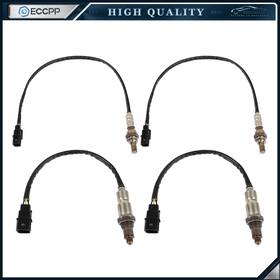
( Brand: Eccpp ), ( Manufacturer Part Number: E129108CP655S ), ( Part Type: Sensor ), ( Manufacturer Warranty: 1 Year ), ( Sensor Type: Oxygen Sensor ), ( Fitment Type: Direct Replacement )
Review ECCPP Acrasensor.com 4x Up Downstream O2 Oxygen Sensor Honda Ridgeline Acura fits PILOT MDX RDX TLX
The ECCPP E129108CP655S 4x Upstream O2 Sensor is a crucial component for maintaining optimal engine performance in various Honda and Acura models, including the Honda Pilot, Ridgeline, and Acura MDX, RDX, and TLX. This set of four oxygen sensors is designed to monitor the exhaust gases in your vehicle's engine, providing essential data to the engine control unit (ECU) for efficient fuel combustion and emission control.
Each oxygen sensor in this set is equipped with a ceramic element, which reacts to the presence of oxygen in the exhaust gases. The amount of oxygen detected is then converted into an electrical signal that is sent to the ECU. This information is used to adjust the air-fuel ratio in the engine, ensuring that the engine is running efficiently and emitting the least amount of harmful pollutants possible.
The ECCPP E129108CP655S 4x Upstream O2 Sensors are built to withstand the harsh conditions of the exhaust system. They are made from high-quality materials, including stainless steel, to resist corrosion and ensure a long lifespan. Additionally, these sensors feature a heat-resistant ceramic element that can withstand temperatures up to 1200 degrees Celsius.
Installing the ECCPP E129108CP655S 4x Upstream O2 Sensors is a straightforward process that can be done by most DIY enthusiasts. The sensors are designed to fit directly into the exhaust system, and they come with all necessary hardware for installation. The kit also includes detailed installation instructions to guide you through the process.
In conclusion, the ECCPP E129108CP655S 4x Upstream O2 Sensor is an essential upgrade for any Honda or Acura vehicle. By ensuring optimal engine performance and emission control, these sensors can help improve fuel efficiency, reduce emissions, and extend the life of your engine. With their high-quality materials, heat-resistant ceramic element, and easy installation, these sensors are a great value for any vehicle owner.
Pros of buying a ECCPP E129108CP655S 4x Upstream O2 Sensor for Honda Pilot, Ridgeline, Acura MDX, RDX, and TLX:1. High-quality material: This oxygen sensor is made of high-grade ceramic material, ensuring durability and reliability.
2. Improved engine performance: The upstream oxygen sensor helps in monitoring the exhaust gases and adjusting the air-fuel ratio, leading to improved engine performance.
3. OEM fit: The ECCPP O2 sensor is designed to fit perfectly with Honda and Acura vehicles, ensuring a seamless installation process.
4. Affordable price: Compared to OEM sensors, the ECCPP sensor is relatively more affordable, making it a cost-effective choice for vehicle owners.
Cons of buying a ECCPP E129108CP655S 4x Upstream O2 Sensor for Honda Pilot, Ridgeline, Acura MDX, RDX, and TLX:1. Potential for counterfeit products: Due to its popularity, there may be counterfeit versions of this sensor available online. It is essential to buy from a trusted seller to avoid any issues.
2. Limited warranty: While the ECCPP sensor is durable, it only comes with a limited warranty, which may not cover all potential issues.
3. Requires professional installation: Although the sensor is easy to install, it may require professional assistance to ensure proper installation and avoid any damage to the vehicle's engine.
Conclusion: The ECCPP E129108CP655S 4x Upstream O2 Sensor is a high-quality, affordable option for replacing the oxygen sensor on Honda and Acura vehicles. While there are some potential cons to consider, such as the limited warranty and potential for counterfeit products, the overall benefits of improved engine performance and OEM fit make it a worthwhile investment for vehicle owners. It is recommended to buy from a trusted seller and consider professional installation to ensure a smooth and hassle-free experience.
Details:
The following information is for instructional and guidance reference only. There're many different codes for specific functional failures, which are NOT necessarily relevant to the sensor. Must Know Before Buying. If the sensor is good, further diagnosis required.
Step 1 - Some sensors are equipped with a heat shield that must be removed before the sensor removal, this is performed by removing any mounting bolts. Step 5 - Use a small wire brush to help clean the threaded port ensure proper seal of new sensor. Check engine light on A reduction in fuel economy. If the car has diagnostic trouble codes, they will need to be cleared.
Your catalytic converter fails unexpectedly Exhaust emissions reach undesirable levels. Gently install the new oxygen sensor by hand while keeping wiring and connector free from bends. Step 3 - Then, locate and disconnect the wiring connector, this step should be done before removing sensor if is still attached. Oxygen Sensors Location.
How to install the oxygen sensor. Step 2 - By using a regular socket it minimizes potential damage to the sensor body and threads, this technique helps avoid stripping old upon removal. ONLY a defective sensor after tested by voltmeter is applied to manufacturer warranty. Note: some replacement sensors have a universal electrical connector that must be configured to the wiring of old sensor.
If Check Engine Light is on or an OBDII Trouble/Fault code occurs after installation, check the sensor with a voltmeter as below.
specifications acrasensor:
- for models: Mdx, Rdx, Tlx, Pilot
- for makes: Honda, Acura
- brand: Eccpp
- mpn: E129108cp655s
- part type: Sensor
- manufacturer warranty: 1 Year
- sensor type: Oxygen Sensor
- fitment type: Direct Replacement
returns acrasensor:
- paid by: Seller
- time: 30 Days
- policy: Returns Accepted
offer acrasensor:
- quantity: 10
- sold: 0
- options: Ship-to-home
- availability: In Stock
- best offers: True
- started: December 20, 2024
shipping acrasensor:
- carrier: FedEx
- service: FedEx Ground Economy
- type: Fixed
- transit: 4-11 Days
- cost: $0.00
- class: Economy
seller acrasensor:
- # reviews: 459972
- rating: 99.1%
- city: Ontario, California
general acrasensor:
- condition: New
- Car Truck Parts Accessories > Air Fuel Delivery > Air Intake Fuel Sensors
payments acrasensor:
- wallet: Paypal
- other
- credit card: Mastercard
Eccpp E129108CP655S Is Similar To:
- 000025-050059 Eccpp High Quality Parts Oxygen Sensor For Honda 606860463681 (39.5% similar) ...(April 13th, 2019)
- E80839200cp Eccpp Oxygen Sensor For Acura Tl (45.4% similar) ...(September 27th, 2018)
- Ecp102879 Eccpp Front Engine Knock Sensor Complete Fits Acura Rl Honda (34.7% similar) ...(April 3rd, 2019)
- Ecp102888 Eccpp Brand Front Premium Fits Acura Rsx Engine Knock Sensor (31.1% similar) ...(May 5th, 2019)
- E103349cp01 Eccpp New Throttle Position Sensor Tps Kit For Acura Honda (34.7% similar) ...(February 24th, 2020)
- Eccpp Ec176431cp Manifold Absolute Pressure Sensor For Acura Mdx 2003-2006 Honda Accord 2003-2007 (42.3% similar) Types:new color/finish black package quantity 1 packaging type box fitment direct replacement. Vehicle information. Item type: manifold pressure map sensor. OE/oem number: 37971RDJA01 5S8776 APS147 PPS1046 72-7080. Manifold absolute pressure sensor for acura mdx 2003 -2006 honda accord 2003 -2007...(September 27th, 2023)
- Eccpp E82701100cp 2pcs Upstream Downstream Air Fuel Ratio Oxygen Sensor For 02-2004 Acura Rsx 2.0l (56.4% similar) Check engine light on. Note: some replacement sensors have a universal electrical connector that must be configured to the wiring of old sensor. If check engine light is on or an obit trouble/fault code occurs after installation, check the sensor with a voltmeter as below. The following information ...(August 27th, 2024)
- Eccpp E83192100cp Upstream Downstream For 2001-2003 Acura El 1.7l Oxygen O2 02 Sensor 2pcs (46% similar) There're many different codes for specific functional failures, which are not necessarily relevant to the sensor. 2001 -2003 acura el 1.7L 2001 -2003 honda civic 1.7L. Oxygen sensors location. If the car has diagnostic trouble codes, they will need to be cleared. Check engine light on. Your ...(August 27th, 2024)
- Eccpp E11589200cp For 2004-2008 Acura Tsx 2.4l Oxygen O2 02 Sensor 2 Downstream Post Rear (35.5% similar) Your catalytic converter fails unexpectedly. Oxygen sensors location. Step 1 - some sensors are equipped with a heat shield that must be removed before the sensor removal, this is performed by removing any mounting bolts. Check engine light on. If check engine light is on or an obit trouble/fault ...(August 28th, 2024)
- Eccpp E12933cp610s Downstream Oxygen O2 Sensor For Honda Accord 2008-2012 Acura Rdx 2013-2018 3.5l (64.6% similar) Gently install the new oxygen sensor by hand while keeping wiring and connector free from bends. Step 1 - some sensors are equipped with a heat shield that must be removed before the sensor removal, this is performed by removing any mounting bolts. Exhaust emissions reach undesirable levels. A ...(November 10th, 2024)
- Eccpp E12932cp607s Oxygen Sensor For Honda Accord Odyssey Pilot Ridgeline Acura Tsx Zdx Downstream (65.6% similar) Only a defective sensor after tested by voltmeter is applied to manufacturer warranty. Step 3 - then, locate and disconnect the wiring connector, this step should be done before removing sensor if is still attached. Must know before buying. There're many different codes for specific functional ...(November 10th, 2024)