PARTSDRIVE KTY29R Coolant Temperature Sensor 3.5L V6
fits model: Rlx. make: Acura. year: 2014–2015.
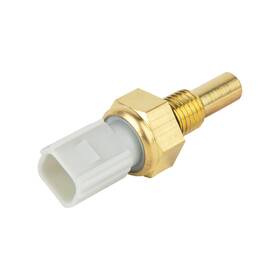
( Brand: Partsdrive ), ( Manufacturer Part Number: KTY29R ), ( Type: Coolant Temperature Sensor ), ( Fitment Type: Direct Replacement ), ( Interchange Part Number 2: Acura Rlx )
Review PARTSDRIVE Coolant Temperature Sensor Acura 3.5l V6 fits RLX 2014–2015
The Parts Drive KTY29R Coolant Temperature Sensor is a crucial component in the cooling system of your 2014-2015 Acura RLX with a 3.5L V6 engine. This sensor plays a vital role in monitoring the engine's coolant temperature, ensuring optimal performance and efficient engine operation.
The KTY29R Coolant Temperature Sensor is a high-precision, thermistor-type device. Thermistors are temperature-sensitive semiconductors that change their electrical resistance in response to changes in temperature. In this application, the sensor measures the coolant temperature and converts it into an electrical signal that is sent to the vehicle's engine control module (ECM). The ECM uses this information to regulate various engine functions, such as fuel injection and ignition timing, to maintain the optimal operating temperature.
This sensor is designed to provide accurate temperature readings in various driving conditions. It is engineered using high-quality materials and advanced manufacturing processes to ensure reliability and longevity. The sensor housing is made of durable materials, resistant to corrosion and high temperatures. The thermistor element is protected by a heat shield, which helps maintain the sensor's accuracy by preventing external temperature influences.
The KTY29R Coolant Temperature Sensor is easy to install. It comes with all necessary hardware, including a gasket and mounting bolts. The installation process is straightforward and can be completed in about an hour with basic hand tools. The sensor is plug-and-play, meaning it connects directly to the vehicle's wiring harness, eliminating the need for any vehicle-specific programming.
In summary, the Parts Drive KTY29R Coolant Temperature Sensor is a high-precision, thermistor-type sensor designed for 2014-2015 Acura RLX 3.5L V6 vehicles. It is engineered to provide accurate coolant temperature readings in various driving conditions and is easy to install. This sensor is a critical component in maintaining optimal engine performance and efficiency.
Buying a new coolant temperature sensor (part number KTY29R) for a 2014-2015 Acura RLX with a 3.5L V6 engine involves weighing the pros and cons to determine if it's the best solution for your vehicle issue. Here's a breakdown of each:
Pros:1. Improved Accuracy: A new coolant temperature sensor will provide more accurate readings, ensuring optimal engine performance and temperature regulation.
2. Longer Lifespan: A factory-new sensor will last longer than a used or rebuilt one, reducing the need for frequent replacements.
3. Enhanced Engine Protection: Proper temperature regulation is crucial for engine health and longevity. A faulty sensor can lead to potential damage, making a new one a wise investment.
4. Eliminates Check Engine Light: A malfunctioning coolant temperature sensor can trigger the check engine light. Replacing it will help resolve this issue.
Cons:1. Cost: A new coolant temperature sensor can be more expensive than a rebuilt or used one. However, considering the potential benefits, the cost may be justified.
2. Labor Costs: If you're not comfortable installing the sensor yourself, you'll need to pay for professional labor costs.
3. Potential for Unnecessary Replacement: If the sensor is functioning correctly but the vehicle is still experiencing issues, a new sensor might not solve the problem.
Ending Conclusion:A new coolant temperature sensor (KTY29R) can offer improved engine performance, longer lifespan, enhanced engine protection, and the elimination of the check engine light. However, it comes with a higher cost and potential labor expenses. Ultimately, if you suspect your coolant temperature sensor is faulty, replacing it with a new one can be a wise investment.
Recommendation:If you suspect that your coolant temperature sensor is causing issues in your 2014-2015 Acura RLX, consider purchasing a new KTY29R sensor. Ensure that you have the necessary tools and knowledge to install it yourself, or plan for the labor costs if you prefer to have it installed by a professional.
Details:
part #: kty29r price
- $19.70
specifications acrasensor:
- for models: Rlx
- for makes: Acura
- for years: 2014-2015
- brand: Partsdrive
- mpn: Kty29r
- type: Coolant Temperature Sensor
- fitment type: Direct Replacement
- interchange part number 2: Acura Rlx
shipping acrasensor:
- class: Standard
- transit: 4-9 Days
- service: USPS Ground Advantage
- type: Fixed
- cost: $0.00
- carrier: USPS
offer acrasensor:
- sold: 0
- started: April 19, 2026
- options: Ship-to-home
- quantity: 1
- availability: In Stock
general acrasensor:
- Car Truck Parts Accessories > Air Fuel Delivery > Air Intake Fuel Sensors
- condition: New
seller acrasensor:
- # reviews: 3156
- rating: 98.5%
- city: Los Angeles
returns acrasensor:
- policy: Returns Accepted
- paid by: Seller
- time: 30 Days
payments acrasensor:
- wallet: Paypal
- other
- credit card: Discover
Partsdrive KTY29R Is Similar To:
- Partsdrive Pguch3 Manifold Pressure Map Sensor For 2004-2005 Acura Tsx 2.4l L4 (64.9% similar) Warranty: covered against manufacturing defects...(April 15th, 2026)
- Partsdrive 3ohuqa Manifold Pressure Map Sensor For 2013-2018 Acura Rdx 3.5l V6 (71.4% similar) Warranty: covered against manufacturing defects...(April 15th, 2026)
- Partsdrive Gokd7e Manifold Pressure Map Sensor For 2015-2020 Acura Tlx 3.5l V6 (70.1% similar) Warranty: covered against manufacturing defects...(April 15th, 2026)
- Partsdrive 9r7qsp Manifold Pressure Map Sensor For 2010-2013 Acura Zdx 3.7l V6 (71.4% similar) Warranty: covered against manufacturing defects...(April 15th, 2026)
- Partsdrive Nd1xua Manifold Pressure Map Sensor For 1994-2001 Acura Integ 1.8l L4 (61.5% similar) Warranty: covered against manufacturing defects...(April 16th, 2026)
- Partsdrive E45ioj Manifold Pressure Map Sensor For 1999 Acura Tl 3.2l V6 (63.5% similar) Warranty: covered against manufacturing defects...(April 16th, 2026)
- Partsdrive 4jm9wy Manifold Pressure Map Sensor For 2005-2006 Acura Rsx 2.0l L4 (64.9% similar) Warranty: covered against manufacturing defects...(April 16th, 2026)
- Partsdrive Nbyo2l Manifold Pressure Map Sensor For 2005-2008 Acura Tl 3.2l V6 (69.3% similar) Warranty: covered against manufacturing defects...(April 16th, 2026)
- Partsdrive 7ai9nv Manifold Pressure Map Sensor For 2005-2008 Acura Rl 3.5l V6 (70.6% similar) Warranty: covered against manufacturing defects...(April 16th, 2026)
- Partsdrive Yip54u Manifold Pressure Map Sensor For 2006-2008 Acura Tsx 2.4l L4 (62.3% similar) Warranty: covered against manufacturing defects...(April 16th, 2026)
- Partsdrive E9l4ts Manifold Pressure Map Sensor For 1997-1999 Acura Cl 2.3l L4 (57.5% similar) Warranty: covered against manufacturing defects...(April 16th, 2026)