ACEON OI8PA Downstream Oxygen Sensor O2 3.5
fits model: Slx. make: Acura. year: 1996–1999.
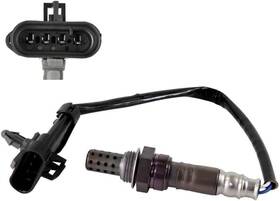
( Brand: Aceon ), ( Manufacturer Part Number: OI8PA ), ( Part Type: O2 Oxygen Sensor ), ( Fitment Type: Direct Replacement ), ( Interchange Part Number 2: 3.5 )
Review ACEON Downstream O2 Oxygen Sensor Acura 3.5 fits SLX 1996–1999
Introducing the ACEON OI-8PA Downstream O2 Sensor, specifically designed for the 1996-1999 Acura SLX 3.5 models. This high-performance oxygen sensor is an essential component of your vehicle's exhaust system, responsible for monitoring the oxygen content in your vehicle's exhaust gases.
The ACEON OI-8PA sensor is a downstream sensor, meaning it is located closer to the vehicle's catalytic converter. It is designed to provide accurate and reliable readings to your vehicle's engine control unit (ECU), allowing for optimal fuel-air mixture and efficient combustion.
This oxygen sensor is made with advanced ceramic technology, ensuring superior sensitivity and durability. The ceramic element is coated with a noble metal, which facilitates the sensing of oxygen levels in the exhaust gases. The sensor's heating element ensures that it reaches optimal operating temperature quickly, allowing for accurate readings even in cold conditions.
The ACEON OI-8PA Downstream O2 Sensor is a direct replacement for the original equipment sensor, making installation easy and hassle-free. It comes with all necessary hardware for installation, including new oxygen sensor gaskets. The sensor is also compatible with most OBD-II scanners, allowing for easy diagnostics and troubleshooting.
Additionally, the ACEON OI-8PA sensor is designed to meet or exceed original equipment specifications, ensuring reliable and long-lasting performance. It is also backed by a one-year warranty, giving you peace of mind and protection against any manufacturing defects.
In summary, the ACEON OI-8PA Downstream O2 Sensor is a high-quality, reliable, and durable replacement sensor for your 1996-1999 Acura SLX 3.5. It provides accurate and reliable oxygen level readings to your vehicle's ECU, ensuring optimal fuel-air mixture and efficient combustion. With easy installation, compatibility with most OBD-II scanners, and a one-year warranty, this sensor is an excellent choice for maintaining the performance and longevity of your vehicle.
Aceon OI-8PA Downstream O2 Sensor for 1996-1999 Acura SLX 3.5: Pros, Cons, and Conclusion
The Aceon OI-8PA Downstream O2 Sensor is a replacement part for the oxygen sensor system in the 1996-1999 Acura SLX 3.5. In this analysis, we will discuss the advantages and disadvantages of purchasing this particular sensor.
Pros:1. Cost-effective: The Aceon OI-8PA Downstream O2 Sensor is generally more affordable compared to original equipment manufacturer (OEM) parts, making it an attractive option for budget-conscious consumers.
2. Direct fit: This aftermarket sensor is designed specifically for the 1996-1999 Acura SLX 3.5, ensuring a perfect fit and easy installation.
3. Durable: The Aceon OI-8PA Downstream O2 Sensor is engineered to last, providing reliable performance over an extended period.
Cons:1. Potential for lower quality: Since it is an aftermarket part, there might be some concerns regarding the quality and consistency of the sensor compared to OEM parts.
2. Warranty: Aftermarket parts often come with shorter or no warranty coverage, which could leave consumers without recourse in case of a defect or failure.
3. Performance: Although the Aceon OI-8PA Downstream O2 Sensor is designed to provide similar performance to OEM sensors, there might be slight differences in sensitivity or response time that could affect vehicle emissions or fuel efficiency.
Conclusion:The Aceon OI-8PA Downstream O2 Sensor is a cost-effective and reliable option for replacing a faulty oxygen sensor in a 1996-1999 Acura SLX 3.5. However, it's essential to consider the potential trade-offs, such as lower quality concerns and limited warranty coverage, when making the decision.
If you prioritize cost savings and are confident in the reliability and performance of aftermarket parts, the Aceon OI-8PA Downstream O2 Sensor is an excellent choice. Alternatively, if you prefer the peace of mind that comes with OEM parts and longer warranty coverage, you may consider paying a higher price for those options. Ultimately, the decision depends on your personal priorities and budget.
Details:
part #: oi8pa price
- $34.86
specifications acrasensor:
- for models: Slx
- for makes: Acura
- for years: 1996-1999
- brand: Aceon
- mpn: Oi8pa
- part type: O2 Oxygen Sensor
- fitment type: Direct Replacement
- interchange part number 2: 3.5
seller acrasensor:
- rating: 94.2%
- # reviews: 2008
- city: Los Angeles
returns acrasensor:
- policy: Returns Accepted
- time: 30 Days
- paid by: Buyer
shipping acrasensor:
- carrier: USPS
- service: USPS Ground Advantage
- cost: $0.00
- class: Standard
- transit: 2-5 Days
- type: Fixed
general acrasensor:
- condition: New
- Car Truck Parts Accessories > Air Fuel Delivery > Air Intake Fuel Sensors
offer acrasensor:
- sold: 0
- started: May 1, 2025
- options: Ship-to-home
- availability: In Stock
- quantity: 1
payments acrasensor:
- other
- credit card: Visa
- wallet: Google-pay
Aceon OI8PA Is Similar To:
- Aceon Vj0al Upstream Air-fuel Ratio Sensor For 2002-2004 Acura Rsx 2.0 (56.9% similar) Part #: Aceon VJ0AL for sale...(April 30th, 2025)
- Aceon 0nckf Upstream O2 Oxygen Sensor For 1996-1999 Acura Slx 3.5 (87.9% similar) Part #: Aceon 0NCKF for sale...(May 1st, 2025)
- Aceon 4bfo9 Downstream O2 Oxygen Sensor For 2002-2004 Acura Rsx 2.0 (74.6% similar) Part #: Aceon 4BFO9 for sale...(May 1st, 2025)
- Aceon Plc25 Upstream O2 Oxygen Sensor For 1999 Acura El 1.6 (77.8% similar) L4 gas naturally aspirated...(May 1st, 2025)
- Aceon 36nq5 Upstream O2 Oxygen Sensor For 2003 Acura El 1.7 (71.4% similar) Part #: Aceon 36NQ5 for sale...(May 1st, 2025)
- Aceon Wc4zg Upstream O2 Oxygen Sensor For 2000 Acura El 1.6 (71.4% similar) L4 gas naturally aspirated...(May 1st, 2025)
- Aceon Obw25 Upstream O2 Oxygen Sensor For 2001 Acura El 1.7 (74.6% similar) Part #: Aceon OBW25 for sale...(May 2nd, 2025)
- Aceon 63yt3 Upstream O2 Oxygen Sensor For 2002 Acura El 1.7 (71.4% similar) Part #: Aceon 63YT3 for sale...(May 2nd, 2025)
- Aceon Da0p1a Manifold Pressure Map Sensor For 1999 Acura Tl 3.2l V6 (59.7% similar) Warranty: covered against manufacturing defects...(April 9th, 2026)
- Aceon Tw0qgj Manifold Pressure Map Sensor For 2001-2006 Acura Mdx 3.5l V6 (52.9% similar) Warranty: covered against manufacturing defects...(April 9th, 2026)
- Aceon Zvbnb4 Manifold Pressure Map Sensor For 2004-2005 Acura Tsx 2.4l L4 (47.1% similar) Warranty: covered against manufacturing defects...(April 9th, 2026)