ACURA PT8318661AM Upstream Down Air Fuel Level Sensor Oxygen PMT2018 2X 2.0L A/f O2
fits model: Rsx. make: Acura. year: 2002–2004.
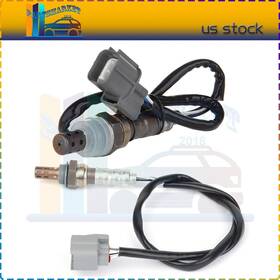
( Manufacturer Part Number: PT8318661AM ), ( Manufacturer Warranty: 1 Year ), ( Type: Sensor ), ( Custom Bundle: Yes ), ( Fitment Type: Direct Replacement ), ( Modified Item: No ), ( Wire Quantity: 4, 4 ), ( Sensor Type: Heated ), ( Automotive Color / Finish: Steel ), ( Thread Size: M18 ), ( Universal Or Specific Fit: Specific ), ( Output Signal Range: V ), ( Attachment Method: Screw-on ), ( Terminal Type: Blade ), ( Position: Upstream, Downstream ), ( Features: Direct Fit )
Review ACURA 2x 2.0l Upstream Down Air Fuel A/f Ratio Oxygen O2 Sensor fits RSX 2002–2004
The PMT2018 PT8318661AM 2x Upstream Downstream Air Fuel Level Sensor for 2.0L Acura RSX models (years 2002-2004) is an essential component of the vehicle's fuel system. This sensor plays a crucial role in maintaining optimal engine performance by continuously monitoring the air-fuel mixture in the engine's intake system.
This sensor is designed as a pair, with each sensor responsible for monitoring the air-fuel ratio in different sections of the intake system. The upstream sensor detects the air-fuel mixture before it enters the engine, while the downstream sensor monitors it after the engine has combusted the fuel.
Both sensors have a heated design, which ensures they function effectively in various temperature conditions. They also feature a self-diagnostic function, which helps detect any potential issues in real-time, allowing for early identification and resolution of any problems.
The PMT2018 PT8318661AM sensors are OEM (original equipment manufacturer) quality, ensuring a perfect fit and reliable performance. They are designed to replace the faulty or worn-out sensors in your vehicle, helping maintain optimal engine performance and fuel efficiency.
Installing these sensors is a straightforward process, and they come with all necessary hardware for a hassle-free installation. If you're not comfortable performing the installation yourself, we recommend having it done by a certified mechanic to ensure proper function and longevity of the sensors.
In summary, the PMT2018 PT8318661AM 2x Upstream Downstream Air Fuel Level Sensor is an essential component for maintaining optimal engine performance in 2.0L Acura RSX models (years 2002-2004). These sensors continuously monitor the air-fuel mixture in the engine's intake system, ensuring the engine runs efficiently and effectively. They are OEM quality, feature self-diagnostic functions, and are easy to install.
Pros and Cons of Buying Upstream Downstream Air Fuel Level Sensor (AFLS) for 2002-04 Acura RSX 2.0L
Background:The Upstream Downstream Air Fuel Level Sensor (AFLS), also known as O2 sensor or oxygen sensor, plays a crucial role in maintaining optimal fuel-air mixture for better engine performance and efficient fuel consumption. When this sensor fails, it can trigger the Check Engine Light (CEL) and impact fuel economy.
Pros of Buying New AFLS:1. Improved Fuel Economy: A new AFLS ensures accurate oxygen sensor readings, allowing the engine management system to optimize fuel delivery and air-fuel mixture, leading to better fuel economy.
2. Enhanced Engine Performance: A properly functioning AFLS ensures the engine operates at its peak performance by maintaining the ideal fuel-air mixture.
3. Reduced Emissions: A faulty AFLS can lead to increased exhaust emissions, whereas a new sensor ensures the vehicle complies with emission standards.
4. Long-Term Savings: Although the upfront cost might be high, investing in a new AFLS can prevent further engine damage and potential repair costs.
Cons of Buying New AFLS:1. High Cost: A new AFLS can be a significant investment, especially when considering aftermarket alternatives with varying quality and reliability.
2. Installation Complexity: Installing a new AFLS requires technical expertise and specific tools, which might necessitate professional assistance.
3. Time Consumption: The replacement process can take considerable time, especially when factoring in the time required to diagnose the issue, source the part, and perform the installation.
Ending Conclusion:While the upfront cost of purchasing a new Upstream Downstream Air Fuel Level Sensor for a 2002-04 Acura RSX 2.0L might be daunting, the long-term benefits include improved fuel economy, enhanced engine performance, reduced emissions, and potential cost savings from avoiding further engine damage. However, the installation process can be complex and time-consuming, making it essential to consider the availability of specialized tools and professional assistance.
Recommendation:If you notice a malfunctioning Check Engine Light or suspect your AFLS is failing, it's recommended to consult a professional mechanic to diagnose the issue and provide you with an accurate estimate for the repair, including the cost of a new AFLS. This approach ensures a proper diagnosis and cost-effective solution while minimizing the risk of additional damage to your vehicle.
Details:
On straight four and six cylinder engines, there is only one bank of cylinders. On V6, V8 and V10 engines, there are usually two oxygen sensors, one in each exhaust manifold. 2.Where is Oxygen Sensor Locations. The location of the number one cylinder on import engines will vary depending year/make/ model.
Locate the oxygen sensor on your vehicle by looking for a part that looks like spark plug sticks out from exhaust pipe. 3.how to replace an oxygen sensor. If it has a distributor less ignition system DIS or coil-on-plug COP ignition, the plug wires coils may have lettering marking indicating cylinder numbers. Screw it in place clockwise and snug down with the socket or open-end wrench.
Plug the electrical connections back in. Unique sensor coatings protect elements from premature failure and are validated for lifetime operation with E85 other alcohol-based fuels. Unscrew the oxygen sensor off exhaust pipe using either an open-end wrench or a special socket made to remove it. The code displayed on your scan tool will indicate the type of fault, and identify one oxygen sensors by its position in exhaust system.
This allows the computer to monitor air/fuel mixture from each bank of cylinders. You can also use butt connectors. Use the diagnostic scanner/reader to clear code from vehicles computer. It will have an electrical connection attached to it.
Add a small amount of anti-seize to the threads new sensor. Compare your new oxygen sensor to the old one. Disconnect the electrical connection on oxygen sensor. Do not over tighten the sensor as you might strip threads.
Start the car. Follow manufacturers instructions to know which wires tie together. Reverse the steps used in removing oxygen sensor and install new part. Use heat sensitive shrink tape to seal the connections.
Oxygen Sensor Q. 2002 2004 Acura RSX 2.0L 2002 2005 Honda Civic 2.0L. In easier installation and resistance to high temperatures, vibration damage wire corrosion, which protects signal accuracy longevity.
Turn on the ignition key, but do not start your vehicle. Corrosion-resistant stainless steel construction. Use a flat tip screwdriver to push in the tabs and pull connection apart. On most four and straight six cylinder engines, there is usually a single oxygen sensor mounted in the exhaust manifold.
Cut off the old connector from bad oxygen sensor, strip wires and solder to new sensor. You should notice an immediate improvement.
part #: pt8318661am prices
- $13.57-$14.12
specifications acrasensor:
- for models: Rsx
- for makes: Acura
- for years: 2002-2004
- mpn: Pt8318661am
- manufacturer warranty: 1 Year
- type: Sensor
- custom bundle: Yes
- fitment type: Direct Replacement
- modified item: No
- wire quantity: 4, 4
- sensor type: Heated
- automotive color / finish: Steel
- thread size: M18
- universal or specific fit: Specific
- output signal range: V
- attachment method: Screw-on
- terminal type: Blade
- position: Upstream, Downstream
- features: Direct Fit
returns acrasensor:
- paid by: Seller
- policy: Returns Accepted
- time: 30 Days
general acrasensor:
- condition: New
- Car Truck Parts Accessories > Air Fuel Delivery > Air Intake Fuel Sensors
shipping acrasensor:
- service: FedEx Ground Economy
- carrier: FedEx
- type: Fixed
- cost: $0.00
- transit: 4-9 Days
- class: Economy
offer acrasensor:
- sold: 0
- started: August 9, 2025
- options: Ship-to-home
- availability: In Stock
seller acrasensor:
- # reviews: 25031
- city: Ontario, California
- rating: 98.9%
payments acrasensor:
- wallet: Paypal
- credit card: Visa
- other
Acura PT8318661AM Is Similar To:
- 003102875zeg Cciyu For Acura Tsx Front Knock Sensor Direct Replacement (31% similar) 12 months manufacturers warranty for defective items excluding damaged and or misused after receipt. The images shown are not actual item and for your reference only...(May 10th, 2019)
- 003102879zeg Cciyu Piece Front Premium Knock Detonation Sensor Fits Acura Rl (23% similar) The images shown are not actual item and for your reference only. Accessories come with a 3-MONTH warranty. 12 months manufacturers warranty for defective items excluding damaged and or misused after receipt...(May 10th, 2019)
- 003102884zeg Cciyu Front Knock Detonation Sensor Assembly Fits Acura Csx Honda (28.4% similar) Accessories come with a 3-MONTH warranty. 12 months manufacturers warranty for defective items excluding damaged and or misused after receipt. The images shown are not actual item and for your reference only...(May 10th, 2019)
- 003102888zeg Cciyu Front Performance Knock Detonation Sensor Fits Acura Rsx (22% similar) Fast shipping:all our packages use USPS first class package service accessories come with a 3-MONTH warranty...(May 10th, 2019)
- 065500-2820 Denso Acura Integra Oem Secondary Oxygen Sensor Ratio (39.3% similar) Get business information that counts. Shipping carrier domestic USPS first-class...(April 17th, 2018)
- 065500-8220 0655008220 Acura 1991-1995 Legend O2 Oxygen (30.1% similar) This is an original part oem, not aftermarket. For sale is: acura legend o2 oxygen sensor part number, fits: 1991 all trims engines 1992 1993 1994 1995 this in good working condition. Please review all the pictures and read carefully. May be a little dusty from storage use and have few ...(February 24th, 2017)
- 079800-5410-079800-5410-0798005410 Denso Acura Rsx Wire Plug Connector Sensor Vacuum Actuator Harness (30.2% similar) You are looking at one good used wire plug connector harness end clip off the valve sensor, as shown in photos. MRW488 stock MW559 Hollander it is pulled out ready to ship. It is out of a 2002 acura rsx base 2 door hatchback with. Thanks good luck. Exterior color code was: NH-623 NH-623M interior ...(May 15th, 2018)
- 37830rnaa01 Acura Honda 08-2014 Map Sensor Free Kwik Ship Apps (28.8% similar) Part 37830RNAA01. Please for costs to other areas. Acura Honda ' map sensor in excellent condition...(February 27th, 2016)
- 90-91 0943853 Acura Integra Oem Idle Air Control Valve Iacv Denso (39.3% similar) 90 91 acura integral oem idle air control valve ICC dens this is a idle air control valve removed from a 91 acura integral ls. Shipping carrier domestic USPS first class...(February 24th, 2016)
- 0i58308746vt1mu Kwiksen For Acura Csx Air Fuel Ratio Oxygen Sensor (58.5% similar) Brand new air fuel ratio sensor direct plug-in replacement wire: 4 length : 330MM 13 inch warranty: one year unlimited miles. Package includes: 2PC x air fuel ratio oxygen sensor upstream downstream must know before buying: the following information is for instructional and guidance reference only...(March 14th, 2018)
- 1102888won Wonderfulparts Front Complete Knock Sensor Assembly Fits Acura Rsx (20.6% similar) Q: when will the item be shipped out...(June 19th, 2019)