ORRIGEY R050PA740S75 Upstream Air Fuel Level Sensor Oxygen TL3.5L V6
fits make: Acura. year: 2004–2008.
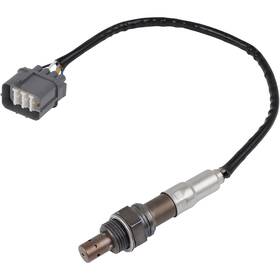
( Brand: Orrigey ), ( Manufacturer Part Number: R050PA740S75 ), ( Manufacturer Warranty: 1 Year ), ( Type: Sensor ), ( Custom Bundle: No ), ( Fitment Type: Direct Replacement ), ( Thread Size: M18 ), ( Terminal Type: Blade ), ( Universal Or Specific Fit: Specific ), ( Attachment Method: Screw-on ), ( Connector Gender: Female ), ( Wire Harness Length: 22.83 In ), ( Sensor Type: Heated ), ( Output Signal Range: 0.2v To 0.8v ), ( Mounting Type: Threaded ), ( Position: Upstream, Sensor 1 ), ( Features: Direct Fit )
Review ORRIGEY Acura V6 Upstream Air Fuel Ratio Oxygen Sensor fits 2004–2008
The ORRIGEY R050PA740S75 is a high-performing Upstream Air Fuel Ratio Sensor for select 2004-2008 Acura TL models equipped with a 3.5L V6 engine and a 24-valve DOHC powertrain. This essential component of the vehicle's engine management system is designed to ensure optimal fuel efficiency and exhaust emissions by monitoring the air-fuel mixture in the engine's intake manifold.
This ORRIGEY Upstream Air Fuel Ratio Sensor is a direct OEM replacement part, ensuring a perfect fit and function in your vehicle. It features a robust and durable design, with a ceramic sensor element that is resistant to thermal shock and chemical corrosion. The sensor's sensitive elements are capable of detecting even the smallest variations in air-fuel ratio, allowing for precise fuel delivery and efficient combustion.
This sensor communicates with the vehicle's powertrain control module (PCM) via a standard four-wire connector, making installation a straightforward process for most DIY enthusiasts. The sensor's electrical specifications include a voltage range of 0-5 volts and a resistance range of 0-5 ohms, ensuring compatibility with the vehicle's electrical system.
The ORRIGEY R050PA740S75 Upstream Air Fuel Ratio Sensor is an excellent choice for maintenance, repair, or performance enhancement applications in your Acura TL. By ensuring accurate air-fuel ratio readings, this sensor can help improve fuel economy, reduce exhaust emissions, and enhance overall engine performance.
When it comes to maintaining your vehicle's engine health and performance, choosing a high-quality sensor like the ORRIGEY R050PA740S75 is an essential investment. With its robust design, precise sensor technology, and direct OEM compatibility, this sensor is a reliable and effective solution for keeping your Acura TL running at its best.
Pros and Cons of Buying OEM Upstream Air Fuel Level Sensor for 04-08 Acura TL3.5L V6 (Oxygen Sensor 24302 - Rigey R050PA740S75)
I. IntroductionThe upstream air fuel level sensor, also known as an oxygen sensor, is a crucial component in your Acura TL's exhaust system. It measures the amount of unburnt oxygen in your car's exhaust gases to ensure optimal combustion and maintain efficient fuel economy. In this evaluation, we'll examine the advantages and disadvantages of purchasing a Rigey R050PA740S75 OEM sensor for your 04-08 Acura TL3.5L V6.
II. Pros1. Original Equipment Manufacturer (OEM): This sensor is designed and manufactured by the same company that made the original part in your vehicle. This guarantees a perfect fit and reliability.
2. Improved Engine Performance: By accurately monitoring the air-fuel mixture, the OEM sensor ensures your engine runs efficiently, improving overall performance and fuel economy.
3. Longer Lifespan: OEM parts are often built to last longer than aftermarket alternatives. This sensor may require less frequent replacement, saving you money in the long run.
4. Enhanced Emissions Compliance: By ensuring proper combustion, the OEM sensor helps your vehicle meet and maintain emissions standards.
III. Cons1. Cost: OEM parts can be more expensive compared to aftermarket alternatives. The price of the Rigey R050PA740S75 sensor may be a significant investment for some.
2. Availability: OEM parts may take longer to obtain, as they must be ordered directly from the manufacturer. This could result in additional wait time if you need the sensor replaced urgently.
IV. ConclusionIn conclusion, the Rigey R050PA740S75 OEM upstream air fuel level sensor offers several advantages, including improved engine performance, longer lifespan, and enhanced emissions compliance. However, it comes with a higher cost and longer availability compared to aftermarket alternatives. Ultimately, the decision to purchase this OEM sensor depends on your priorities, budget, and time constraints. If you value originality, reliability, and performance, the OEM sensor is a worthwhile investment. If cost and availability are your primary concerns, you may want to consider a high-quality aftermarket alternative.
V. RecommendationIf you're looking for an upstream air fuel level sensor for your 04-08 Acura TL3.5L V6 and prioritize originality, reliability, and performance, the Rigey R050PA740S75 OEM sensor is an excellent choice. However, if you're on a tight budget or need the sensor replaced quickly, you may want to explore aftermarket alternatives that offer similar quality and fit. In any case, be sure to consult your vehicle's service manual or a trusted mechanic for accurate information about your specific application.
Details:
If the car has diagnostic trouble codes, they will need to be cleared. New List Item. Step 3 - Then, locate and disconnect the wiring connector, this step should be done before removing sensor if is still attached. Must Know Before Buying.
Note: some replacement sensors have a universal electrical connector that must be configured to the wiring of old sensor. Check engine light on. Step 2 - By using a regular socket it minimizes potential damage to the sensor body and threads, this technique helps avoid stripping old upon removal. How to install the oxygen sensor.
The following information is for instructional and guidance reference only. Your catalytic converter fails unexpectedly. There're many different codes for specific functional failures, which are NOT necessarily relevant to the sensor. Step 5 - Use a small wire brush to help clean the threaded port ensure proper seal of new sensor.
If Check Engine Light is on or an OBDII Trouble/Fault code occurs after installation, check the sensor with a voltmeter as below. A reduction in fuel economy. Gently install the new oxygen sensor by hand while keeping wiring and connector free from bends. Exhaust emissions reach undesirable levels.
If the sensor is good, further diagnosis required. Oxygen Sensors Location. Step 1 - Some sensors are equipped with a heat shield that must be removed before the sensor removal, this is performed by removing any mounting bolts. ONLY a defective sensor after tested by voltmeter is applied to manufacturer warranty.
part #: r050pa740s75 prices
- $14.79-$28.79
specifications acrasensor:
- for makes: Acura
- for years: 2004-2008
- brand: Orrigey
- mpn: R050pa740s75
- manufacturer warranty: 1 Year
- type: Sensor
- custom bundle: No
- fitment type: Direct Replacement
- thread size: M18
- terminal type: Blade
- universal or specific fit: Specific
- attachment method: Screw-on
- connector gender: Female
- wire harness length: 22.83 In
- sensor type: Heated
- output signal range: 0.2v To 0.8v
- mounting type: Threaded
- position: Upstream, Sensor 1
- features: Direct Fit
payments acrasensor:
- wallet: Google-pay
- other
- credit card: Mastercard
returns acrasensor:
- policy: Returns Accepted
- paid by: Seller
- time: 30 Days
seller acrasensor:
- rating: 99.3%
- city: Ontario, California
- # reviews: 3505
offer acrasensor:
- started: June 14, 2025
- availability: In Stock
- sold: 0
- options: Ship-to-home
shipping acrasensor:
- type: Fixed
- transit: 5-11 Days
- cost: $0.00
- class: Standard
- service: Standard
general acrasensor:
- condition: New
- Car Truck Parts Accessories > Air Fuel Delivery > Air Intake Fuel Sensors
Orrigey R050PA740S75 Is Similar To:
- Orrigey R050pa735s11 Upstream For 2002-2004 Acura Rsx 2.0l Oxygen Air Fuel Ratio Sensor Fits 234-9006 (58.2% similar) How to install the oxygen sensor. Oxygen sensors location. Check engine light on a reduction in fuel economy. If the car has diagnostic trouble codes, they will need to be cleared. Step 1 - some sensors are equipped with a heat shield that must be removed before the sensor removal, this is performed...(June 14th, 2025)
- Orrigey R800pa989s27 4pcs Up downstream For 2004-2006 Acura Tl 3.2l Air Fuel Ratio Oxygen Sensor (68.1% similar) Gently install the new oxygen sensor by hand while keeping wiring and connector free from bends. New list item. If the sensor is good, further diagnosis required. If the car has diagnostic trouble codes, they will need to be cleared. Step 3 - then, locate and disconnect the wiring connector, this ...(June 14th, 2025)
- Orrigey R115pa855s44 Upstream For 01-05 Honda Civic 1.7l 94-01 Acura Integra 1.8l Oxygen O2 Sensor 1 (46.2% similar) If check engine light is on or an obit trouble/fault code occurs after installation, check the sensor with a voltmeter as below. Note: some replacement sensors have a universal electrical connector that must be configured to the wiring of old sensor. There're many different codes for specific ...(June 14th, 2025)
- Orrigey R129pa606s69 Downstream Oxygen O2 Sensor For Acura Tsx Honda Accord 2.4l L4 (43.8% similar) Step 1 - some sensors are equipped with a heat shield that must be removed before the sensor removal, this is performed by removing any mounting bolts. If check engine light is on or an obit trouble/fault code occurs after installation, check the sensor with a voltmeter as below. Oxygen sensors ...(June 14th, 2025)
- Orrigey R801pa022s52 2pcs For 2004-2008 Acura Tsx 2.4l Upstream Down A f Ratio Oxygen Sensor O2 02 (71.5% similar) Step 3 - then, locate and disconnect the wiring connector, this step should be done before removing sensor if is still attached. Oxygen sensors location. Step 1 - some sensors are equipped with a heat shield that must be removed before the sensor removal, this is performed by removing any mounting ...(June 14th, 2025)
- Orrigey R808pa392s97 4pcs Upstream pre Downstream rear Oxygen Sensor O2 02 For 07-08 Acura Tl 3.2l V6 (45.9% similar) Gently install the new oxygen sensor by hand while keeping wiring and connector free from bends. Note: some replacement sensors have a universal electrical connector that must be configured to the wiring of old sensor. Only a defective sensor after tested by voltmeter is applied to manufacturer ...(June 14th, 2025)
- Orrigey R808pa373s83 2pcs For 02-04 Acura Rsx 2.0l Upstream Downstream A f Ratio Oxygen O2 02 Sensor (63.6% similar) Must know before buying. If the sensor is good, further diagnosis required. New list item. Gently install the new oxygen sensor by hand while keeping wiring and connector free from bends. Only a defective sensor after tested by voltmeter is applied to manufacturer warranty. There're many different ...(June 14th, 2025)
- Orrigey R050pa059s82 For Honda Accord Odyssey Civic Acura Cl Integra L4 02 O2 Oxygen Sensor Upsteam (51.5% similar) Only a defective sensor after tested by voltmeter is applied to manufacturer warranty. There're many different codes for specific functional failures, which are not necessarily relevant to the sensor. Step 5 - use a small wire brush to help clean the threaded port ensure proper seal of new sensor. ...(June 14th, 2025)
- Orrigey R991pa774s11 2pcs Oxygen O2 Sensor Downstream For Acura Tl Rl Honda Accord Pilot 234-4726 (41.7% similar) 2006 acura tl v6 3.2L automatic transmission rear bank downstream. Check engine light on. New list item. If the car has diagnostic trouble codes, they will need to be cleared. If the sensor is good, further diagnosis required. 2006 acura tl v6 3.2L manual transmission downstream. Only a ...(June 14th, 2025)
- Orrigey R129pa607s04 Oxygen Sensor For Honda Accord Odyssey Pilot Ridgeline Acura Tsx Zdx Downstream (32.8% similar) Gently install the new oxygen sensor by hand while keeping wiring and connector free from bends. There're many different codes for specific functional failures, which are not necessarily relevant to the sensor. Your catalytic converter fails unexpectedly. If the sensor is good, further diagnosis ...(June 14th, 2025)
- Orrigey R129pa471s38 O2 Oxygen Sensor For Acura Cl Mdx Rl Honda Accord Civic Odyssey Pilot Saturn Vue (32.7% similar) If the sensor is good, further diagnosis required. Note: some replacement sensors have a universal electrical connector that must be configured to the wiring of old sensor. Check engine light on a reduction in fuel economy. 2003 -2007 Honda accord 3.0L, 2001 - 2003 acura cl 3.2L. Oxygen sensors ...(June 15th, 2025)