SDP4 SDP12931A607S Downstream Oxygen Sensor O2
fits model: Mdx, Rdx, Rl, Tl, Accord, Odyssey, Pilot. make: Honda, Acura.
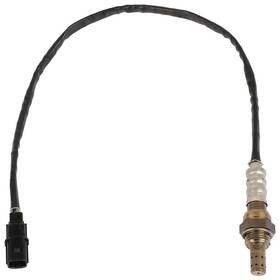
( Brand: Sdp4 ), ( Manufacturer Part Number: SDP12931A607S ), ( Part Type: Sensor ), ( Manufacturer Warranty: 1 Year ), ( Sensor Type: Oxygen Sensor ), ( Fitment Type: Direct Replacement ), ( Placement On Vehicle: Rear, Downstream ), ( Length: 550mm )
Review SDP4 Downstream Oxygen O2 Sensor Honda Acura fits ACCORD ODYSSEY PILOT MDX RDX RL TL
SDP4 SDP12931A607 Downstream Oxygen Sensor for Honda Accord, Odyssey, Pilot, Acura MDX, RDX, RL, and TL
The SDP4 SDP12931A607 Downstream Oxygen Sensor is a crucial component in your vehicle's emissions system. Designed to meet the stringent requirements of Honda and Acura vehicles, this sensor ensures optimal fuel efficiency and reduced exhaust emissions.
This downstream oxygen sensor is specifically engineered for the Honda Accord, Odyssey, Pilot, Acura MDX, RDX, RL, and TL models. It is a replacement part for the original equipment sensor and is designed to provide accurate and reliable oxygen sensor readings.
The SDP4 SDP12931A607 Downstream Oxygen Sensor features a heated element that allows it to function effectively in cold temperatures. This sensor measures the amount of unburnt oxygen in your vehicle's exhaust gases and transmits the data to the engine control module. The engine control module uses this data to adjust the air-fuel ratio of the engine to ensure optimal combustion.
This sensor is made of high-quality materials to ensure durability and longevity. The sensor element is encased in a protective ceramic material that shields it from the harsh exhaust gases and high temperatures. The sensor also features a stainless steel housing that resists corrosion and rust.
Installation of the SDP4 SDP12931A607 Downstream Oxygen Sensor is straightforward and can be done by most DIY enthusiasts. The sensor is simply plugged into the existing wiring harness, making it a hassle-free replacement. However, if you are not comfortable performing this task yourself, we recommend having it installed by a certified mechanic.
In summary, the SDP4 SDP12931A607 Downstream Oxygen Sensor is a crucial component in maintaining the optimal performance of your Honda or Acura vehicle. It ensures fuel efficiency, reduced exhaust emissions, and improved engine performance. This sensor is specifically designed for the Honda Accord, Odyssey, Pilot, Acura MDX, RDX, RL, and TL models and is constructed of high-quality materials for durability and longevity. Installation is straightforward and can be done by most DIY enthusiasts.
Pros and Cons of Buying an SDP4 SDP12931A607S Downstream Oxygen Sensor for Honda Accord, Odyssey, Pilot, Acura MDX, RDX, RL, and TL
Introduction:The SDP4 SDP12931A607S Downstream Oxygen Sensor is a critical component in the emissions system of various Honda and Acura models. This sensor helps maintain optimal fuel-air mixture for improved fuel efficiency and reduced emissions. In this article, we will discuss the pros and cons of buying this oxygen sensor to help you make an informed decision.
Pros:1. Enhanced Fuel Efficiency: A faulty oxygen sensor can lead to poor fuel consumption. Replacing it with a new one ensures the engine runs efficiently, saving you money on fuel in the long term.
2. Reduced Emissions: A functioning oxygen sensor is essential for vehicles to comply with emission standards. By replacing a faulty one, you help reduce your carbon footprint and ensure your vehicle is eco-friendly.
3. Improved Engine Performance: A faulty oxygen sensor can negatively impact engine performance. Installing a new one ensures your engine runs smoothly and effectively.
4. Cost-Effective: In most cases, replacing an oxygen sensor is a cost-effective solution compared to other repairs or parts replacement.
5. Long-Lasting: High-quality oxygen sensors, like the SDP4 SDP12931A607S, are designed to last for a long time, providing you with peace of mind and fewer replacement costs in the future.
Cons:1. Cost: While the overall cost of replacing an oxygen sensor might be relatively low, the price of high-performance aftermarket sensors, like the SDP4 SDP12931A607S, can be more expensive than OEM alternatives.
2. Installation: Installing an oxygen sensor requires some mechanical knowledge or hiring a professional mechanic, which may add to the overall cost.
3. Availability: Depending on your location, finding a reliable supplier for the SDP4 SDP12931A607S oxygen sensor might be challenging.
4. Risk of Damage: During the installation process, there's a risk of damaging other components or causing unintended consequences if not done correctly.
Conclusion:The SDP4 SDP12931A607S Downstream Oxygen Sensor offers several advantages, including enhanced fuel efficiency, reduced emissions, improved engine performance, and long-lasting reliability. However, it comes with some drawbacks, such as cost, installation challenges, and availability. Weighing these factors against the benefits, it's recommended to invest in a high-quality, long-lasting oxygen sensor, like the SDP4 SDP12931A607S, to ensure optimal vehicle performance, longevity, and compliance with emission standards.
Details:
Step 3 - Then, locate and disconnect the wiring connector, this step should be done before removing sensor if is still attached. If Check Engine Light is on or an OBDII Trouble/Fault code occurs after installation, check the sensor with a voltmeter as below. Oxygen Sensors Location. Must Know Before Buying.
ONLY a defective sensor after tested by voltmeter is applied to manufacturer warranty. Check engine light on. If the car has diagnostic trouble codes, they will need to be cleared. There're many different codes for specific functional failures, which are NOT necessarily relevant to the sensor.
Step 2 - By using a regular socket it minimizes potential damage to the sensor body and threads, this technique helps avoid stripping old upon removal. A reduction in fuel economy. Gently install the new oxygen sensor by hand while keeping wiring and connector free from bends. Step 1 - Some sensors are equipped with a heat shield that must be removed before the sensor removal, this is performed by removing any mounting bolts.
Exhaust emissions reach undesirable levels. If the sensor is good, further diagnosis required. Your catalytic converter fails unexpectedly. How to install the oxygen sensor.
Note Please confirm the Compatibility before you purchase. The following information is for instructional and guidance reference only. Note: some replacement sensors have a universal electrical connector that must be configured to the wiring of old sensor. Step 5 - Use a small wire brush to help clean the threaded port ensure proper seal of new sensor.
part #: sdp12931a607s price
- $15.79
specifications acrasensor:
- for models: Mdx, Rdx, Rl, Tl, Accord, Odyssey, Pilot
- for makes: Honda, Acura
- brand: Sdp4
- mpn: Sdp12931a607s
- part type: Sensor
- manufacturer warranty: 1 Year
- sensor type: Oxygen Sensor
- fitment type: Direct Replacement
- placement on vehicle: Rear, Downstream
- length: 550mm
offer acrasensor:
- options: Ship-to-home
- sold: 0
- started: August 27, 2025
- availability: In Stock
- quantity: 10
payments acrasensor:
- credit card: Visa
- other
- wallet: Google-pay
returns acrasensor:
- time: 30 Days
- policy: Returns Accepted
- paid by: Seller
shipping acrasensor:
- cost: $0.00
- type: Fixed
- transit: 3-9 Days
- class: Economy
- carrier: FedEx
- service: FedEx Ground Economy
seller acrasensor:
- city: Ontario, California
- rating: 98.7%
- # reviews: 3574
general acrasensor:
- Car Truck Parts Accessories > Air Fuel Delivery > Air Intake Fuel Sensors
- condition: New
Sdp4 SDP12931A607S Is Similar To:
- Sdp4 Sd050735p4 Upstream Oxygen Sensor For 2002-2004 Acura Rsx 2.0l Honda Cr-v 2.4l (52.2% similar) Condition: new. The original oxygen sensor was made using ceramic coated zircon and platinum. However, most of the later model vehicles have four oxygen sensors. What is an oxygen sensor. Upstream oxygen sensor for 2002 -2004 acura Rdx 2.0L honda Cr-v 2.4L, product specifics. Warranty: 1 year. An ...(January 22nd, 2025)
- Sdp4 Sd115855p4 For Acura Integra 1.8l Honda Cr-v 2.0l 02 O2 Oxygen Sensor Heated Upstream (38.5% similar) Item specifics: brand SDP4, manufacturer part number SD115855P4, type oxygen sensor, of pieces 1, wire quantity 4, length mm 330, pin plug color gray, position upstream, downstream, sensor heated, connector gender male, technology narrow-band, output signal range v 0.2 to 0.8 volt, custom bundle ...(January 22nd, 2025)
- Sdp4 Sd827105p4 2pcs O2 02 Oxygen Sensor Upstream Downstream For 1996-2001 Acura Integra 1.8l (36.8% similar) Please confirm the compatibility before you purchase. Compatible model's. 100% brand new and high quality o2 oxygen sensor. Item specifics: brand SDP4, manufacturer part number SD827105P4, type oxygen sensor, of pieces 2, wire quantity 4, pin sensor heated, technology narrow-band, custom bundle yes...(January 22nd, 2025)
- Sdp4 Sdp12921a690s Oxygen Sensor For Honda Accord Odyssey Pilot Ridgeline Acura Tsx Zdx Downstream (72.8% similar) There're many different codes for specific functional failures, which are not necessarily relevant to the sensor. The following information is for instructional and guidance reference only. Check engine light on. Oxygen sensors location. Must know before buying. If the sensor is good, further ...(August 27th, 2025)
- Sdp4 Sd831866p4 2pcs A f Ratio 02 O2 Oxygen Sensor Upper Downstream For 02-04 Acura Rsx 2.0l (39.2% similar) Please confirm the compatibility before you purchase. 2PCS a/f ratio 02 o2 oxygen sensor upper downstream for 02-04 acura Rdx 2.0L item specification. 100% brand new and high quality o2 oxygen sensor. Compatible model's. 2002 -2004 acura Rdx 2.0L 2002 -2005 honda civic 2.0L...(February 3rd, 2026)